
Monitoring authorities, fleets and service centers alike are often frustrated during the installation appointment. Everything seems to be in order after the installation, clean up and explanation of all features. However, months can go by and many technicians are so eager to get the device installed as fast as possible, that they do not care to explain how everything works.
Vehicle assessment and wiring the device
In many cases it is critical to understand if special treatment needs to be taken with hybrid vehicles, other aftermarket alarm systems or even different ignition systems i.e. Push button start, remote start or stop / start systems and give specific details and even manufacturer’s instructions for said systems where required.
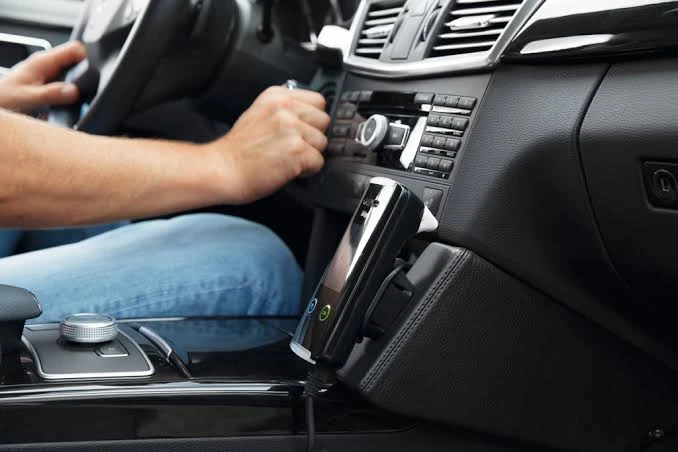
Mount the handset in a convenient position within the vehicle to enable provision of samples by the driver without having to stretch or lean. Typical mount positions are on the center console between the front seats or on the bracket over the rear view mirror. The control module should be positioned behind the dash panel of a vehicle and should be kept away from heat sources, pedal actuators etc. The module must be wired up to Constant Power, Switched Ignition, Ground and the vehicle Starter Circuit. Hook up to operate as a starter interrupt.
Why connection quality drives later problems
It is also important to remember that connection integrity is important to avoid intermittent loss of power to the monitoring device, which can log as a possible tamper event and then require a subsequent review with the driver, an explanation of why the event was logged, and possibly even a hearing.
Device setup and program configuration
The unit is then configured to connect with the desired Monitoring Authority, Program or Fleet. All programs have standard settings but virtually all need to be configured on a case by case basis. This ensures that all start up parameters are correctly set the first time to prevent problems down the track.
- Breath alcohol concentration lockout threshold, commonly set between 0.02 and 0.025 depending on jurisdiction
- Rolling retest intervals and the window allowed for a response
- Service interval length, typically 30 or 60 days
- Camera activation, image capture triggers, and GPS tagging where required
- Lockout escalation rules following violations or missed service
- Reporting destination and transmission method, whether cellular or manual download
This monitoring unit is paired to your account. The time and date are set. The full start up sequence is run to test the monitoring unit. A short road test may also be done to ensure the interlock will not cause any problems with normal vehicle operation and that the retest prompt will operate correctly while the vehicle is in motion.
Driver training that reduces callbacks
The most valuable portion of this appointment is training the Driver on the proper use of the Interlock. Many of the early violations are not caused by the Driver’s blood alcohol content, but rather by errors in the Interlock’s technique or timing that can be corrected with 15 minutes of quality training.
What to cover before the driver leaves
- The breath sample pattern specific to the device, including blow duration, pressure, and any hum or inhale sequence
- Rolling retest procedure, including pulling over safely and the consequence of ignoring a prompt
- Common false positive sources such as mouthwash, certain foods, and energy drinks, plus the recommended waiting period before testing
- Service date, the grace period, and what happens at permanent lockout
- Emergency bypass procedures and who to call outside business hours
This documentation serves as verification of training completed with the Client for full understanding of usage of the Interlock System, and assistance to the Client of Interlock System in all circumstances of use of the vehicle, and to increase the level of confidence by the Client in the use of the Interlock System.
Calibration and follow-up appointments
During sensor calibration a known alcohol solution is used to check the correct operation of the sensor. The fuel cell sensors have a natural drift over time. To compensate for this a set service interval is set for the sensor to check for any inaccuracies before they occur. Drivers who want this level of care from the first appointment onward should look for a provider that handles ignition interlock installation in Virginia with in house calibration rather than outsourced servicing.
| Appointment type | Typical timing | Main activities | Duration |
| Initial installation | Day one | Wiring, configuration, road test, driver training | 90 to 120 minutes |
| Routine service | Every 30 or 60 days | Calibration, data download, visual inspection | 20 to 30 minutes |
| Violation review | As triggered | Data analysis, lockout reset, retraining | 30 to 45 minutes |
| Removal | End of program | Final download, decommission, wiring restoration | 45 to 60 minutes |
Managing the service calendar
Late removals are generally caused by Compliance failures (program failures). As with any aspect of Interlock installation and removal, this is often caused by missed Monitoring appointments rather than Interlock technical failure. The built in 7 day, 3 day and 1 day reminders plus the flexibility in the appointment scheduling enables a high rate of actual compliance. Sometimes, due to unforeseen circumstances, an installation or removal appointment may not be possible on the scheduled date. The device allows for an emergency extension of a few days in such instances, and only in extreme circumstances where a tow has been required would an emergency lockout service be required.
Removal of Interlock Devices from Vehicles, Completing the File with Authorities and/or Service Provider. Download and save all stored event data from the interlock device and archive as required. Return the vehicle to its pre-installation configuration with regard to the Starter Circuit as required. Complete and forward all required documentation to the appropriate Monitoring Service Provider as required. Audit trail for program completion is as important as proper installation for future audits.