
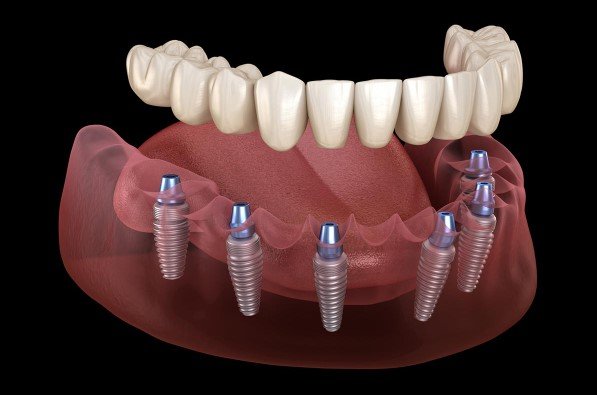
Eating comfortably, speaking clearly and feeling at ease when smiling can all depend on having a reliable set of teeth. When a replacement is needed, the type of treatment chosen can affect how natural and secure the result feels in everyday life. Dental Implants Newcastle offer a way to replace a tooth with a solution that is anchored into the jaw rather than resting on the gums.
The treatment has become an established option for replacing one or several teeth. It involves placing an implant into the jawbone before attaching a replacement tooth once the area has healed. For patients considering this approach, knowing how dental implants work, what the treatment involves and what can affect suitability can make the decision easier to understand.
What is Dental Implants Newcastle
When researching Dental Implants Newcastle people often want to understand the basic structure of the treatment. To realise why this option is so effective it helps to know what a dental implant actually is. Unlike a traditional denture that sits on the gum or a bridge that relies on adjacent teeth, an implant replaces the entire structure of a missing tooth from root to crown.
The system works in three connected parts
- The implant post which acts as an artificial tooth root placed into the jawbone
- The abutment which is a small connector that joins the post to the visible tooth
- The implant crown which is the bespoke artificial tooth fixed securely to the abutment
The post is typically made from biocompatible materials such as titanium or ceramics. These materials are chosen because the body accepts them well allowing the bone to grow tightly against the surface. Because the post integrates with the bone it provides a firm foundation that does not slip or move. This fixed nature sets this tooth replacement apart from older methods that simply rest on top of the gums.
How a Single Implant Works
For someone with one gap a single tooth implant is often considered a highly reliable choice. This approach replaces one lost tooth while keeping the surrounding teeth entirely intact.
When a gap exists the teeth on either side can shift into the empty space. This alters the bite and makes cleaning difficult which can lead to further dental problems down the line. A traditional bridge would require grinding down the healthy neighbouring teeth to support the false tooth in the middle. A single implant avoids this completely. The post is placed in the exact spot of the missing root and once healed an individual implant crown is attached.
This independence means natural teeth stay strong and untouched. The new implant supported tooth functions like a standalone natural tooth. For individuals seeking Dental Implants Newcastle this preservation of healthy tooth structure is a major advantage. It allows people to bite and chew with force near that of a natural tooth without putting unnecessary strain on the rest of the mouth.
Who Is Suitable for This Treatment
While this treatment is an excellent option for many it is not suitable for everyone. Suitability depends on several health and lifestyle factors that ensure the treatment heals properly and lasts a long time.
Ideal candidates have high bone quality alongside good oral and general health. Because the implant post relies on fusing with the jawbone there must be enough bone volume and density to support it. If bone has shrunk away over time a condition known as bone resorption additional procedures like bone grafting may be required to rebuild the site before an implant can be placed.
General health also plays a critical role in how well the body heals after surgery. Conditions such as diabetes or osteoporosis may affect eligibility as they can influence how bone heals around the post. Current oncological medical treatment is another factor that requires careful professional assessment before proceeding. Active gum disease must be controlled before an implant is placed because healthy gums are essential for supporting the final restoration.
Smoking is another significant factor that can impede healing and increase the risk of complications. It restricts blood flow to the gums which slows down the recovery process. A thorough assessment by a dental professional is the only way to confirm if Dental Implants Newcastle are a safe and effective choice for an individual patient.
The Treatment Journey Step by Step
The process of getting an implant is carefully planned and staged to ensure the best outcome. It is not a single day procedure but a journey that takes place over several months. Each step is designed to give the mouth the best chance of healing and integrating the new artificial root.
- Consultation and Planning: The first step is a detailed assessment. During this stage the dental team reviews medical history and takes X rays or three dimensional scans to assess bone quality and plan the exact placement of the post.
- Placing the Implant Post: Once the plan is set a minor surgical procedure is carried out under local anaesthesia. The gum is gently opened and the implant post is placed into the jawbone. The gum is then stitched over the post to allow it to heal undisturbed.
- The Healing Phase: Over a period of several months the jawbone naturally grows around the post in a process called osseointegration. This biological fusion locks the post firmly into place creating a strong artificial root.
- Fitting the Abutment and Crown: Once the post has fully integrated with the bone a small procedure exposes the top of the implant so the abutment can be attached. After the gums heal around this connector the final bespoke crown is securely fixed into place completing the smile.
How Long Does the Process Take
As outlined above the entire process requires patience. From the initial consultation to the final fitting of the crown the timeline generally spans several months. If a tooth needs to be extracted first or if a bone graft is required to strengthen the jaw the overall treatment time will be extended to allow for proper healing at each stage.
Most straightforward cases take between four and eight months to complete. Cases involving bone grafting can take longer because the graft material needs to mature and become part of the jaw before the implant post can be inserted.
While the wait may seem long it is a necessary investment in the stability of the result. Rushing the healing phase can compromise the success of the osseointegration which is the foundation of the whole treatment. For patients considering Dental Implants Newcastle understanding this timeline helps set realistic expectations and ensures commitment to the follow up appointments required.
Recovery and Aftercare
After the surgical placement of the post it is normal to experience some mild swelling bruising or discomfort. This usually subsides within a few days. Following the dental team instructions during this early recovery period is vital to protect the healing site. Patients are usually advised to eat soft foods for a short while and avoid strenuous exercise to allow the surgical site to calm down.
Once the final crown is fitted the aftercare routine is very similar to caring for natural teeth. The implant cannot decay because the materials are artificial. However the gums surrounding it can still become inflamed or infected if oral hygiene is poor. Daily brushing and flossing around the implant supported tooth are essential along with regular professional check ups and hygiene appointments. Healthy habits and daily care are crucial for preventing gum disease which is a leading cause of implant failure.
Longevity and Long Term Success
One of the most appealing aspects of this treatment is its durability. While standard bridges may last ten to fifteen years and dentures often need periodic replacement a well maintained dental implant can last for many decades. With appropriate care and maintenance dental implants can provide a lasting tooth replacement solution without major complications.
However it is important to understand the difference between the implant post and the crown. The post integrated into the bone is designed to be a permanent fixture. The crown sitting on top is subjected to the daily forces of biting and chewing. Over many years the crown may wear down or require replacement much like a standard crown on a natural tooth. Replacing the crown is usually a straightforward process that does not affect the underlying implant post.
Regular visits to a dental hygienist help ensure the tissues around the implant remain healthy. Professional cleaning removes plaque and tartar that regular brushing might miss. This ongoing care is what allows the treatment to provide such long lasting results.
Understanding the Risks
As with any surgical procedure there are risks involved. Complications are relatively rare but patients should be aware of them before starting treatment.
- Integration Failure: In some cases the bone does not fuse properly to the post meaning the implant cannot support a crown. If this happens the post is usually removed the area is left to heal and a new attempt may be made later.
- Infection: If bacteria enter the site during surgery or if oral hygiene is poor afterwards an infection can develop around the implant. This condition known as peri-implantitis can cause bone loss and jeopardise the stability of the post.
- Mechanical Issues: Over time the abutment screw may loosen or the crown may chip or fracture. These issues are usually repairable but require a visit to the dentist.
Attending all follow up appointments and maintaining excellent oral hygiene significantly reduces these risks. When looking for Dental Implants Newcastle choosing an experienced clinical team is an important part of minimising potential complications and ensuring the treatment is carried out safely.
Alternatives to Dental Implants
Implants are not the only way to replace missing teeth and they may not be the right choice for everyone. Comparing Dental Implants Newcastle with other options helps patients make an informed decision. The main alternatives include
- Dental Bridges: A bridge uses the adjacent natural teeth to support a false tooth that fills the gap. While effective and faster to complete than an implant, preparing the neighbouring teeth involves grinding away healthy tooth structure which can make them vulnerable to decay over time.
- Removable Dentures: Partial or full dentures replace missing teeth and rest on the gums. They do not require surgery. However they can be unstable slipping while eating or speaking and they do not prevent the underlying jawbone from shrinking over time.
A bridge might be suitable for someone who already has large fillings in the neighbouring teeth. Dentures might be preferred by those who wish to avoid surgery entirely. However neither option provides the same level of bone preservation or independent stability as an implant. Discussing these alternatives during a consultation helps patients weigh the benefits and drawbacks of each option based on their specific oral health.
Final Verdict
Filling a gap in a smile is about more than just appearance. It is about preserving the jawbone, protecting natural teeth and restoring the ability to eat and speak with confidence. Dental implants provide a robust and scientifically grounded solution that mimics the structure of a natural tooth. By taking the time to understand the process of the required commitment to aftercare and the clinical considerations patients can make a well informed choice about their oral health. For those ready to take the next step a consultation with a trusted local provider offers the personalised insight needed to move forward with Dental Implants Newcastle and embrace this new era of tooth replacement.