
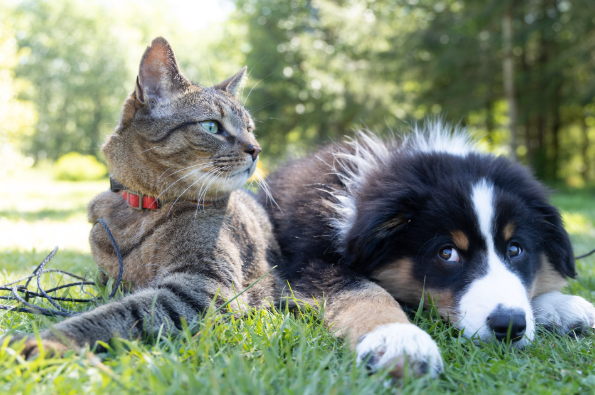
For many people relocating internationally, pets are part of the family. Whether you’re moving with a dog, cat, or another companion animal, ensuring their safety and comfort is an essential part of planning a new life abroad.
Portugal is an attractive destination for pet owners, offering coastal walking routes, parks, outdoor cafés, and a generally mild climate.
However, bringing pets into Portugal involves specific veterinary, identification, and travel requirements that vary depending on the animal’s species and country of origin.
Understanding these rules before departure can help prevent unexpected delays, additional expenses, or problems at the border.
Is Portugal a Pet-Friendly Country?
Portugal offers many advantages for people living with pets.
Dogs are a common sight in residential neighbourhoods, public parks, and coastal communities. Several cafés, restaurants, and accommodation providers also welcome animals, although individual policies vary.
Cities such as Lisbon and Porto have dedicated dog parks, veterinary clinics, and pet-related services.
Coastal destinations, including Cascais and the Algarve, provide opportunities for outdoor activities, but beach access for dogs is subject to local and seasonal restrictions.
Public transportation rules also vary by operator and animal size, so owners should check the conditions before travelling.
While Portugal can provide an enjoyable lifestyle for pets, finding suitable accommodation and understanding local regulations remain important considerations.
Understanding Portugal’s Pet Import Requirements
Portugal follows European Union rules governing the non-commercial movement of companion animals.
For dogs, cats, and ferrets arriving from outside the EU, the main requirements generally include identification through an approved microchip, a valid rabies vaccination, and appropriate veterinary documentation.
The microchip must normally be implanted before the rabies vaccination used for travel.
For an animal receiving its first rabies vaccination, a waiting period of at least 21 days generally applies before entry.
Pets travelling from certain countries may also require a rabies antibody titration test, which can significantly extend the preparation timeline.
The exact requirements depend on the country of departure, the animal’s vaccination history, and whether the journey qualifies as non-commercial movement.
Owners should confirm the applicable rules well before booking international transportation.
For a more detailed explanation of the process, this guide to Moving Pets to Portugal covers the main documentation and travel considerations.
Moving Pets from the USA, UK, and Other Countries
Pet import procedures differ depending on where the animal begins its journey.
For example, dogs and cats travelling from the United States generally require an EU animal health certificate issued by an authorised veterinarian and endorsed by the relevant competent authority.
Pets arriving from Great Britain must also comply with the applicable EU entry requirements, including identification, rabies vaccination, and the correct health documentation.
Animals travelling from countries not recognised by the EU as having an acceptable rabies risk status may require an antibody test and an additional waiting period.
For pets already living within the EU, a valid EU pet passport can simplify travel between member states.
However, an EU pet passport is not automatically available to animals residing outside the European Union.
Because documentation requirements can change, owners should verify the current rules with the Portuguese veterinary authority and the competent authority in their country of departure.
Choosing the Right Way to Transport Your Pet
International transportation is often one of the most stressful parts of relocating with animals.
Depending on the airline, route, and animal’s size, pets may travel in the passenger cabin, as checked baggage, or through an approved cargo service.
Smaller animals may qualify for cabin travel when transported in an airline-approved carrier.
Larger dogs generally require alternative arrangements, subject to airline policies and aircraft restrictions.
Owners should also consider connecting flights, seasonal temperature restrictions, and the availability of pet-handling facilities.
Direct flights are often preferable when available because they reduce transfers and potential disruption.
Before booking, confirm the airline’s animal transportation policy and whether advance reservations are required.
Preparing Your Pet for International Travel
A successful journey requires preparation beyond veterinary paperwork.
Animals unfamiliar with travel carriers may benefit from gradual training several weeks before departure.
Allowing a dog or cat to become comfortable inside its carrier can help reduce anxiety during transportation.
Owners should also discuss travel-related health concerns with their veterinarian, particularly for elderly animals or breeds with respiratory difficulties.
Sedation is generally discouraged for air travel unless specifically recommended by a veterinarian under appropriate circumstances.
On departure day, pets should have suitable identification and access to water according to airline requirements.
A familiar blanket or bedding may also help provide comfort during the journey.
Finding Pet-Friendly Accommodation in Portugal
Finding accommodation that accepts pets should be a priority when planning relocation.
Although Portugal has legal protections relating to pet ownership, tenants should still review rental agreements, condominium regulations, and applicable animal welfare rules.
Some properties may be unsuitable for larger animals because of limited outdoor space, building layouts, or noise considerations.
For example, a family relocating with two large dogs may prefer a house near green spaces rather than a small apartment in central Lisbon.
Cascais, Sintra, and certain Algarve communities may offer attractive residential environments for pet owners.
However, accommodation availability and rental costs can vary significantly.
When arranging a move, housing should be considered alongside immigration, banking, healthcare, and other administrative requirements.
A comprehensive Moving to Portugal Guide can help newcomers coordinate these practical aspects of relocation.
Registering Your Pet After Arrival
Once in Portugal, owners should familiarise themselves with local pet registration requirements.
Dogs, cats, and ferrets are generally subject to identification and registration requirements under Portugal’s companion animal identification system, known as SIAC.
Animals arriving from abroad may need their identification information registered or updated through a Portuguese veterinarian.
Owners should also maintain vaccination records and ensure that contact details associated with the microchip remain current.
Dogs may be subject to additional licensing or municipal obligations depending on their circumstances.
Certain breeds and animals classified as potentially dangerous are subject to specific legal requirements.
A local veterinarian can help owners understand the applicable obligations and arrange routine healthcare.
Veterinary Care and Everyday Expenses
Portugal has an established network of veterinary clinics and animal hospitals, particularly in larger cities.
Routine veterinary services may include vaccinations, preventive treatments, dental care, and annual examinations.
Pet insurance is available through several providers, although coverage, exclusions, and reimbursement limits vary.
Owners should also budget for food, grooming, boarding, and emergency veterinary expenses.
Portugal’s warm climate makes parasite prevention particularly important, including protection against ticks, fleas, and diseases transmitted by insects.
Discussing local health risks with a veterinarian can help establish an appropriate preventive care plan.
Helping Pets Adjust to Their New Home
Relocation can be challenging for animals, especially after a long journey.
Maintaining familiar feeding times, walking routines, and sleeping arrangements can help pets adapt.
Owners should introduce new environments gradually and provide a quiet space where animals can feel secure.
Dogs may need time to become accustomed to unfamiliar streets, sounds, and other animals.
Cats may benefit from remaining indoors initially while becoming familiar with their new surroundings.
Patience and consistency can make the transition easier for both pets and their owners.
Conclusion
Moving to Portugal with pets is entirely achievable, but successful relocation requires careful preparation.
Microchipping, rabies vaccinations, veterinary certificates, transportation arrangements, and local registration requirements should all be addressed in advance.
Finding suitable accommodation and understanding everyday pet ownership responsibilities are equally important.
With the right planning, owners can help their animals settle comfortably and enjoy a new life together in Portugal.