
A healthy smile starts with simple daily habits and consistent dental care. Whether you are searching for best dentists near me or simply looking for better ways to care for your teeth at home, understanding the basics can help you build a routine that supports good oral health. Small steps taken regularly can make dental care easier and more manageable.
Maintaining a healthy smile is not just about having clean-looking teeth. Good oral care also involves protecting your gums, paying attention to changes in your mouth, making informed choices about food and drinks, and visiting a dental professional when appropriate. With a consistent approach, you can make oral hygiene a natural part of your everyday routine.
Start With a Consistent Brushing Routine
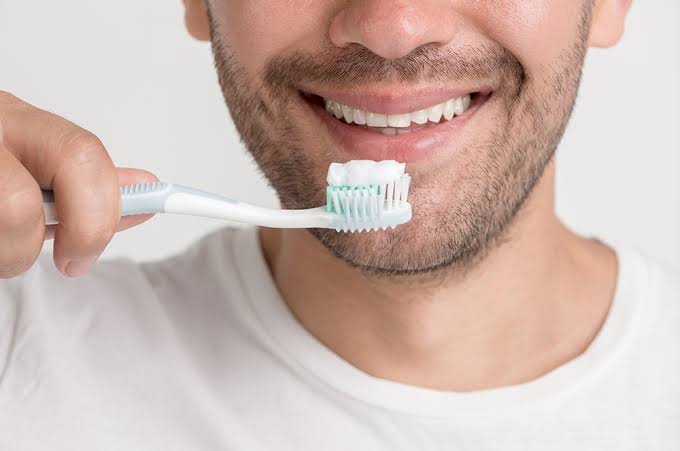
Brushing your teeth regularly is one of the most important parts of maintaining good oral hygiene. It helps remove food particles and plaque that can accumulate on the surfaces of your teeth.
Use a suitable toothbrush and fluoride toothpaste, and make brushing part of your morning and evening routine. Brush gently rather than applying excessive pressure, as aggressive brushing can irritate the gums.
It is also helpful to replace your toothbrush or toothbrush head when it becomes worn. A fresh brush can make daily cleaning more effective and comfortable.
Do Not Forget to Clean Between Your Teeth
Brushing alone does not reach every area of your mouth. Food particles and plaque can collect between teeth, making cleaning between them an important part of a complete oral hygiene routine.
Depending on your needs, you can use dental floss or another suitable interdental cleaning method. If you are unsure about the best technique, ask a dental professional for guidance.
Making this a regular habit can help you maintain cleaner teeth and healthier gums.
Pay Attention to Your Gums
Healthy gums are an important part of a healthy smile. While brushing and cleaning between teeth, pay attention to changes such as persistent discomfort, swelling, tenderness, or bleeding.
Occasional problems may have different causes, so persistent or concerning changes should be discussed with a qualified dental professional. Avoid ignoring symptoms simply because they seem minor.
Regular dental visits can also provide an opportunity to have your gums and teeth professionally assessed.
Choose Foods and Drinks Thoughtfully
Your everyday food and drink choices can also influence oral health. Frequent consumption of sugary foods and drinks can contribute to an environment that increases the risk of tooth decay.
Instead of focusing on one particular food, think about your overall eating habits. A balanced diet and regular water intake can support general health while helping you maintain good oral hygiene.
Consider making simple choices such as:
- Drinking water regularly
- Limiting frequent sugary snacks
- Including a variety of nutritious foods
- Being mindful of sweetened drinks
- Maintaining regular mealtimes where practical
These habits can complement your daily dental routine.
Make Regular Dental Visits Part of Your Routine
Home care is important, but professional dental care also plays a valuable role. Dental professionals can examine your teeth and gums, identify potential concerns, and provide guidance based on your individual needs.
The appropriate frequency of dental visits can vary from person to person. Your dental professional can recommend a schedule based on your oral health and circumstances.
Regular visits can also give you an opportunity to ask questions about brushing, flossing, diet, sensitivity, or other aspects of oral care.
Learn to Recognize Changes in Your Mouth
Paying attention to changes can help you know when it may be time to seek professional advice. Changes such as persistent tooth sensitivity, discomfort, swelling, unusual spots, or other ongoing concerns should not simply be ignored.
You do not need to diagnose the problem yourself. Instead, make a note of what you are experiencing and discuss it with a dental professional.
Early communication can make it easier to understand what is happening and determine whether further care is appropriate.
Protect Your Teeth During Everyday Activities
Your teeth can also benefit from practical protection. If you participate in activities where there is a risk of injury to the mouth, ask a dental professional about appropriate protective options.
Avoid using your teeth as tools to open packages or bite hard objects. Although these habits may seem harmless, they can place unnecessary stress on teeth.
Being mindful of everyday habits can help reduce avoidable dental problems.
Make Oral Hygiene a Family Habit
Good dental habits are easier to maintain when they become part of the household routine. Parents and caregivers can encourage children to brush regularly and learn age-appropriate oral hygiene habits.
Family routines can include setting consistent brushing times, keeping dental supplies accessible, and encouraging children to ask questions about their teeth.
Positive habits developed early can help children understand the importance of caring for their smiles as they grow.
Replace Unhelpful Habits With Better Ones
Improving dental care does not require changing everything at once. Start by identifying one habit that could be improved and make a realistic adjustment.
For example, if you often forget to brush at night, setting a reminder may help. If you regularly skip cleaning between your teeth, keep your supplies somewhere visible.
Small improvements can become long-term habits when they are simple enough to maintain consistently.
Use Dental Hygiene Awareness as a Reminder
Awareness campaigns can also encourage people to think more carefully about their oral health. For example, national dental hygiene month serves as a useful reminder to pay attention to everyday dental habits and the importance of maintaining good oral hygiene.
Rather than treating dental care as something to think about only when a problem appears, use these reminders as an opportunity to review your routine. Check whether you are brushing consistently, cleaning between your teeth, attending appropriate dental visits, and paying attention to changes.
Create a Simple Daily Dental Checklist
A simple checklist can make maintaining your smile easier. Your routine might include:
- Brush your teeth regularly.
- Clean between your teeth.
- Drink water throughout the day.
- Make thoughtful food and drink choices.
- Pay attention to changes in your mouth.
- Keep regular dental appointments.
- Replace worn toothbrushes or brush heads.
- Ask a dental professional when you have concerns.
The goal is consistency rather than perfection.
Conclusion
Maintaining a healthy smile is built on consistent everyday habits, thoughtful choices, and appropriate professional dental care. Brushing, cleaning between teeth, eating well, monitoring changes, and attending dental visits all contribute to good oral hygiene. By making these practices part of your routine, you can support your smile and overall oral health for years.