
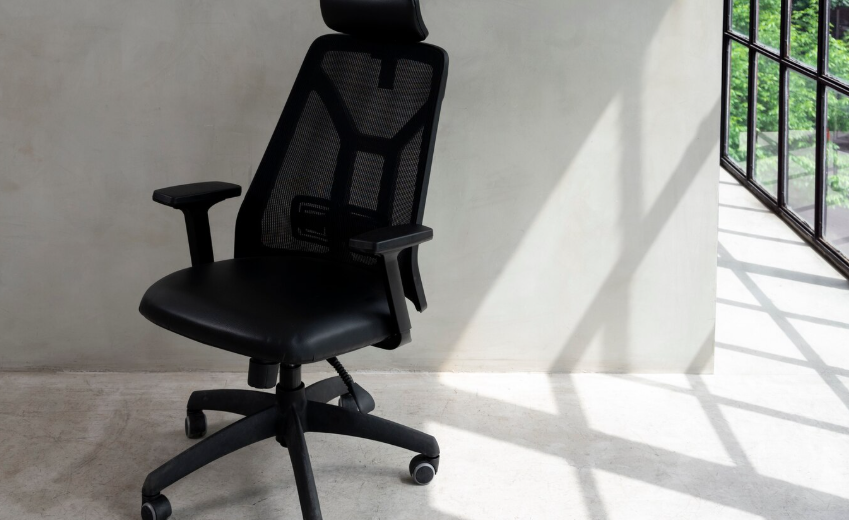
In recent years, the boundaries between workspace and leisure have blurred, propelling the office gaming chair to the forefront of ergonomic and aesthetic discussions. As more people seek comfortable, long-lasting seating solutions that blend leisure with professionalism, many have begun considering options such as the office gaming chair offered by brands keen on straddling the line between style and substance. The growing demand speaks to a larger trend of integrating gaming concepts into traditional office settings for improved comfort and efficiency.
The Rise of the Gaming Chair
Originally designed for avid gamers, gaming chairs have successfully transcended their initial purpose. They offer enhanced support through innovative designs, prioritising spinal alignment and comfort during extended periods of sitting. The inclination towards these chairs in an office setting is a testament to the evolving needs of a dynamic working environment. Benefits typically associated with gaming chairs, such as adjustable armrests, lumbar support, and padded seating, are now recognised as valuable traits in office furniture as well.
Ergonomic Features and Health Benefits
Gaming chairs are crafted with ergonomics at the core of their design philosophy. Unlike conventional office chairs that often neglect the intricate needs of a seated human form, gaming chairs offer a comprehensive range of adjustments tailored to individual preferences. Adjustable armrests, backwards tilt angles, and height modifications allow users to maintain a neutral posture, minimising strain on the musculoskeletal system. Such adaptability not only helps maintain productivity but also mitigates common issues like back pain, shoulder strain, and repetitive stress injuries.
Furthermore, the inclusion of lumbar support and high-density foam padding in gaming chairs ensures prolonged comfort. Ergonomists suggest that maintaining the natural curve of the spine is crucial for long-term health, and gaming chairs provide targeted support that encourages a proper sitting posture. Adopting a well-designed gaming chair in an office setting aligns with the modern drive towards workplace wellness.
Aesthetic Integration into the Office
Beyond ergonomics, the distinctive aesthetics of gaming chairs present a visually appealing alternative to traditional office furniture. Available in a myriad of colours, finishes, and styles, these chairs inject personality into often mundane office environments. They complement creative industries particularly well, breaking free from the monotony often associated with corporate interior design. The diverse design elements cater to varying tastes and can align with the branding of tech-savvy companies, setting a progressive tone.
Moreover, a gaming chair can serve as a statement piece, reflecting an organisation’s commitment to innovation and employee well-being. It signals a departure from conventional workspace principles, supporting an ergonomics-oriented approach without sacrificing style.
Customisability and Technological Integration
One of the major appeals of gaming chairs in an office setting is their high degree of customisability. From seat depth and backrest height to the inclusion of footrests and headrests, users can tailor their chairs to meet specific personal or professional needs. This customisability is instrumental in ensuring comfort for a wide range of body types and preferences, accommodating both short-term tasks and lengthy projects.
In addition to physical customisation, many gaming chairs offer technological integrations such as built-in speakers, vibration motors, and USB charging ports. These features, initially embraced by gamers, are increasingly appreciated in working environments where technology plays an essential role. These integrations not only enhance user interaction with workspace technology but also transform the chair into a comprehensive workstation.
Investment in Quality and Durability
While the initial investment in a high-quality gaming chair may seem substantial, it is worthwhile considering the longevity and durability these chairs offer. Often constructed from robust materials such as metal and reinforced plastic, alongside high-grade upholstery options like PU leather, these chairs are built to withstand the rigours of daily use.
Economically, investing in longevity means fewer replacements over time, equating to long-term savings. More importantly, however, quality seating reduces health-related costs associated with poor posture and inadequate support. Organisations that choose to implement gaming chairs within their office spaces demonstrate a proactive approach to maintaining a healthy and productive workforce.
Impact on Workplace Culture and Productivity
The integration of gaming chairs into the office has implications beyond physical health. Comfortable seating environments can positively affect employee morale and workplace culture. As job satisfaction and comfort increase, so does productivity. The notion of feeling valued influences employee commitment and motivation, essential components of a thriving office ecosystem.
Additionally, gaming chairs promote more dynamic work environments. Their adaptability encourages mobility and frequent reshuffling, aligning with theories that posit healthy movement as part of a balanced working day. Moreover, they support informal collaborations by creating relaxed settings that foster creativity and innovation, valuable assets to any forward-thinking company.
Sustainability Considerations
As with any modern product, sustainability is a significant consideration for both consumers and manufacturers alike. Many gaming chair brands are increasingly adopting environmentally friendly practices, using sustainable materials, and focusing on ethical production methods. These considerations resonate with the environmentally conscious ethos that many organisations strive to integrate into their operations. Opting for a sustainable office gaming chair underscores an organisation’s dedication not only to employee well-being but also to environmental stewardship.
In conclusion, the adoption of gaming chairs within the office setting is a reflection of broader trends in workplace design, functionality, and employee welfare. The shift towards such ergonomic and aesthetically appealing seating solutions indicates a commitment to fostering healthier and more engaging professional environments.